
From Alchemy to AI: How I Built FancyCraft (And Why It Matters)
From Little Alchemy to FancyCraft: A journey of combining ideas, testing LLMs, and exploring what happens when prompts spark new universes. Dive in, play, and see where the alchemy of AI takes you.

There was an app back in 2008 or 2009 called Little Alchemy. I used to love it, mixing elements like “fire” and “wood” to create “smoke,” or “earth” and “water” to make “mud.” The logic behind those combinations felt almost scientific, like a chemical equation where the unknowns were part of the fun. It wasn’t about getting things right, it was about exploring the what if.
Fast forward to March 2024. I’d been demoing Large Language Models (LLMs) for clients, showing how they could chat with data, create tools, and even interpret complex queries. But I kept thinking: What if we could do more than just chat? What if we could build something that felt like the next step in that alchemy?
That’s where I started experimenting. I used an older version of a smaller model (SLM is what people are calling those) to test how different system prompts could generate unique outcomes. It was like playing Little Alchemy with a neural network. Each prompt was a new element, and the results were unpredictable. The “entropy” of the system wasn’t just random, it was a reflection of how LLMs process and combine ideas.
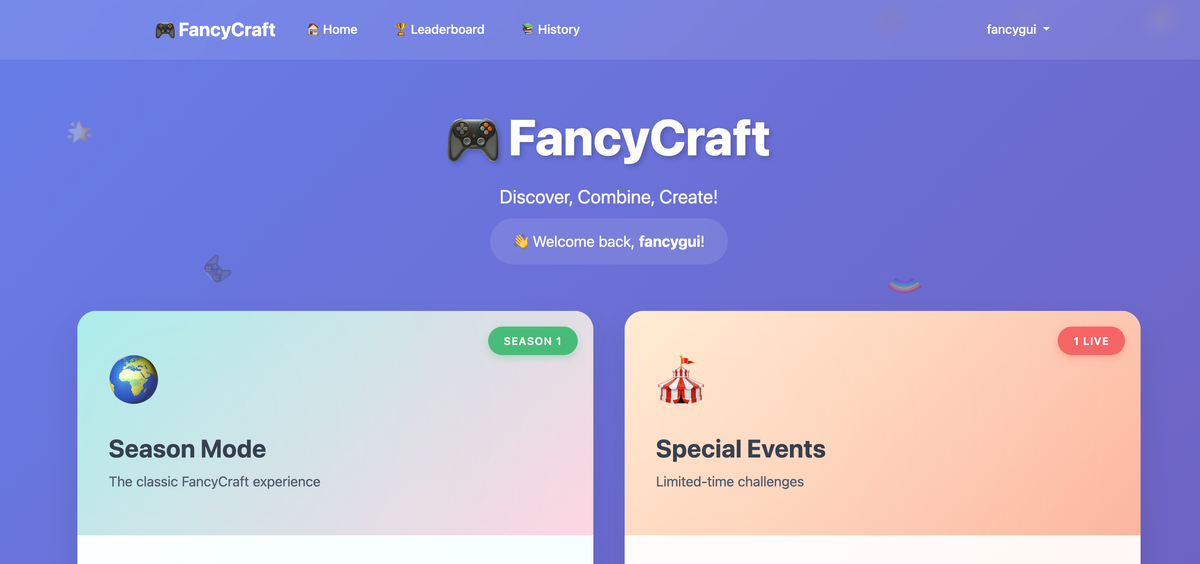
This experiment reminded me of that old game, but now I wanted to go further. I wanted to create something dynamic, something that could let me test not just combinations, but the logic behind them. That’s how FancyCraft was born.
FancyCraft: A Playground for Probabilistic Alchemy
FancyCraft isn’t a game in the traditional sense. It’s a tool for experimenting with how LLMs interact with prompts and data. You can plug in models, APIs, and custom prompts to see how they “react” to different inputs. There’s no point system, no “right” answer, just a space to feel how things work and have fun in the process.
The idea is simple: If Little Alchemy taught me the joy of combining elements, FancyCraft lets me explore how LLMs might “combine” information in ways that feel both intuitive and surprising. Each model and prompt creates its own “universe”, a unique set of rules where combinations can evolve in unexpected directions.
Why This Matters: Beyond the Code
What’s fascinating about this work isn’t just the technical side. It’s the philosophy. Are LLMs true intelligence, or are they tools for the intelligent beings we are? When I test prompts in FancyCraft, I’m not just running code. I’m interviewing the models, trying to understand where they come from, where they want to go, and how they navigate the space between.
It’s like a conversation with a neural network, but without the technical jargon. I’m not asking “How does this work?” I’m asking, “What would this model do if it had a choice?” And in that space, I’ve built systems for myself and for FancyWhale’s clients, tools that let us explore the boundaries of what LLMs can do.
A Call to Play (And Think)
So, what’s next? I want to keep pushing the limits of how these models interact with logic, probability, and creativity. I want to see where their “brains” can go, and I want to share that journey with you.
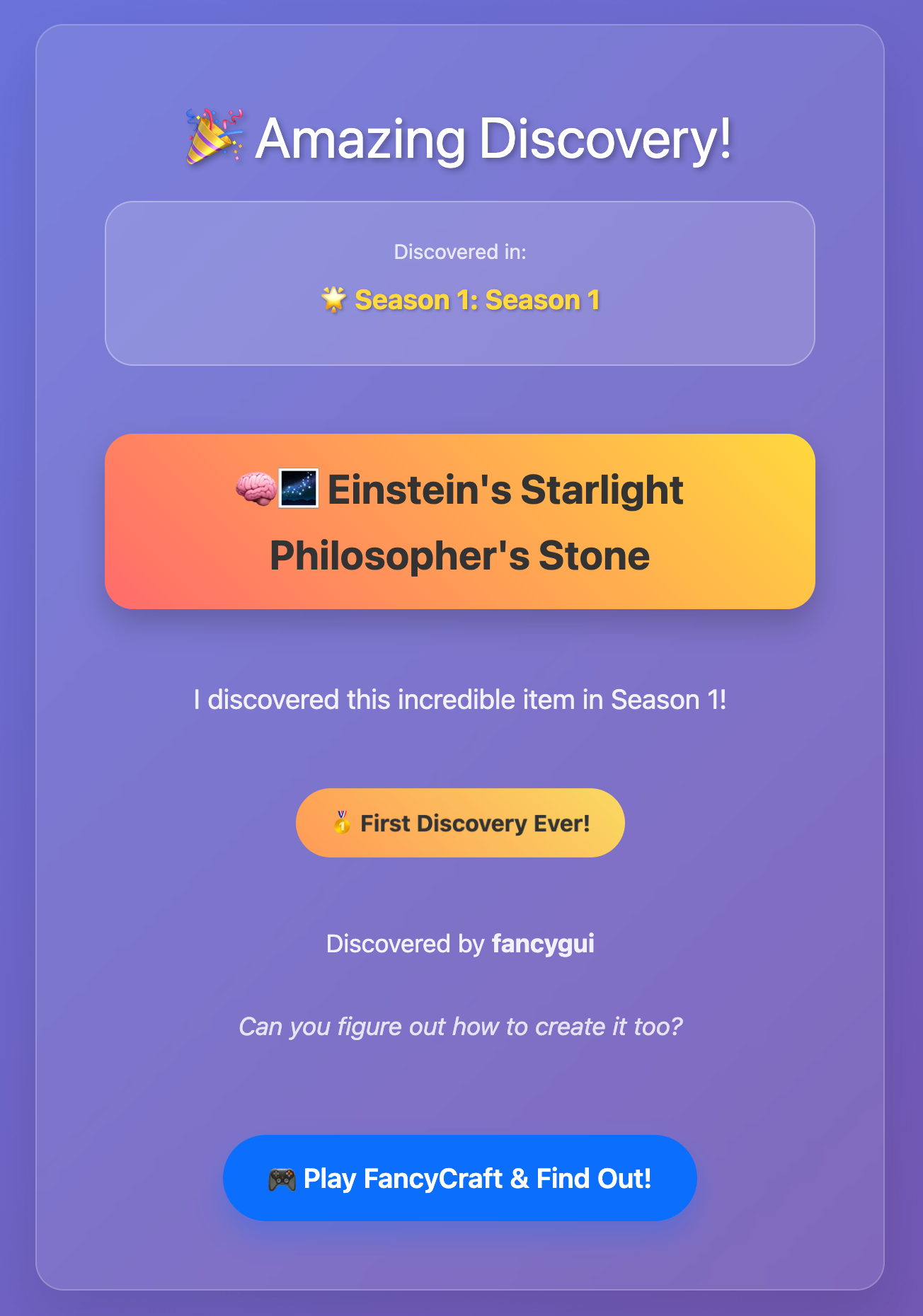
If you’ve ever wondered how LLMs might “think” or what happens when you ask them to combine ideas in unexpected ways, give FancyCraft a try. It’s a playground for curiosity.
And if you’ve played Little Alchemy before, I’d love to hear how it shaped your view of creativity. Maybe we’ll even build something new together.
After all, the best alchemy isn’t about the ingredients. It’s about the possibilities.


